The 2026 List Industry Icons
The Free Spirits Company
The Free Spirits Company Named a 2026 Industry Icon in Food, Beverage & Hospitality
Recognized for creating premium non-alcoholic spirits that replicate the complexity and ritual of classic cocktails, making mindful drinking a genuine choice rather than a compromise.
drinkfreespirits.com/
Recognized for approaching non-alcoholic spirits as a cocktail problem rather than a substitution problem, rebuilding bourbon, gin, tequila, aperitivo, vermouth, and ready-to-drink experiences around flavor, structure, and consumer choice.
The Free Spirits Company has been selected as a 2026 Industry Icon in Food, Beverage & Hospitality by The 2026 List, brought to you by Industry & Influence, recognizing the company’s product innovation, category growth, international recognition, and role in expanding what modern drinking culture can look like.
The non-alcoholic category has moved well beyond soda and juice.
Consumers increasingly want adult drinks with complexity, ritual, bitterness, aroma, body, and social meaning, but with more control over alcohol.
Free Spirits was created around that demand.
The company’s premise is not anti-alcohol.
It is pro-choice.
A Cocktail Should Still Feel Like a Cocktail
Founder Milan Martin came to the category after more than two decades in advertising.
His problem was personal.
He loved cocktails but wanted more control over how much alcohol came with the experience.
That distinction shaped the brand.
Free Spirits is not positioned as a wellness drink pretending to be a cocktail.
It is designed for people who actually like cocktails and do not want the non-alcoholic version to feel like a compromise.
Rebuilding Spirits Instead of Removing Alcohol
The company describes its production approach as Distillate Reconstruction.
Rather than beginning with a finished alcoholic spirit and simply removing ethanol, Free Spirits identifies the ingredients, interactions, and flavor architecture that define a category.
It then sources ingredients such as American white oak, European juniper, and Mexican blue agave and rebuilds the spirit around those sensory cues.
The goal is structure.
A bourbon alternative should bring oak, warmth, and weight.
A gin alternative should bring botanicals.
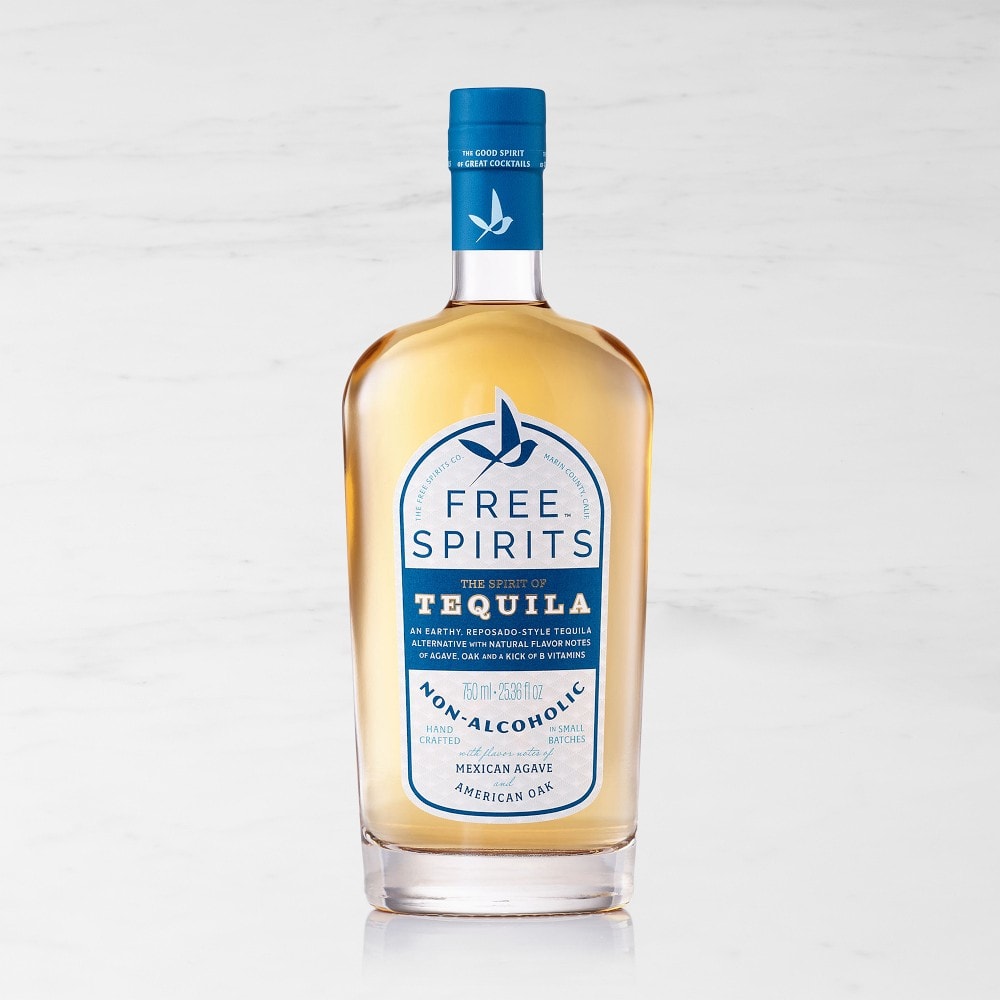
A tequila alternative should contribute agave character and bite.
That makes the product functional inside real cocktail recipes.
The Bar Cart Gets a Parallel System
Free Spirits now offers non-alcoholic alternatives to bourbon, gin, tequila, Italian aperitivo, and vermouth rosso.
That range matters because a single substitute does not create a cocktail culture.
A bar requires different tools.
By building multiple spirit categories, the company allows customers to recreate classics, experiment with zero-proof drinks, or blend Free Spirits with traditional spirits to make lower-proof cocktails.
That last use case is especially important.
The future of drinking may not be binary.
Many consumers are not choosing between drinking and abstaining.
They are choosing how much alcohol makes sense in a particular moment.
Ready-to-Drink Expands the Occasion
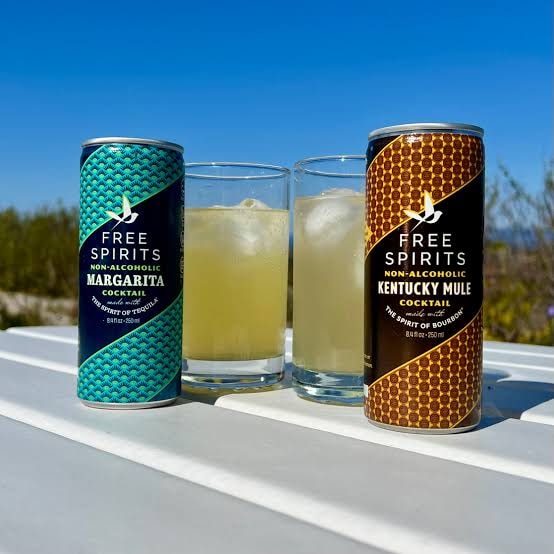
Free Spirits also offers ready-to-drink cocktails including a Margarita, Kentucky Mule, Negroni, and Espresso Old Fashioned.
RTD products move the brand beyond the home bar.
They can fit into coolers, parties, travel, outdoor occasions, or evenings when a consumer wants a finished drink without mixing.
That expansion follows a broader beverage trend.
Convenience is becoming important even in premium categories.
The challenge is to simplify preparation without simplifying flavor.
Recognition Validates the Product
Free Spirits says its products have earned more than 80 international medals and awards.
The company’s recognition includes awards from spirits competitions that evaluate products alongside broader adult-beverage categories.
That matters because taste remains the ultimate credibility test.
The non-alcoholic category can attract attention through trend alone.
Long-term adoption depends on whether consumers actually enjoy what is in the glass.
The company’s focus on flavor, balance, and cocktail functionality is designed around that reality.
Beyond Sobriety as an Identity
One of Free Spirits’ most interesting positioning choices is its refusal to define the customer only through sobriety.
A consumer may use Free Spirits every day, only during Dry January, while training, during a weeknight dinner, between traditional cocktails, or simply when they want a lower-proof evening.
That flexibility broadens the market.
The product does not require someone to adopt an identity before buying it.
It only requires the person to want more control.
That makes non-alcoholic spirits part of mainstream drinking culture rather than a separate category existing outside it.
Why The Free Spirits Company is a 2026 Industry Icon
The 2026 Industry Icon designation recognizes organizations demonstrating meaningful innovation, leadership, momentum, industry impact, and the ability to influence what comes next within their respective fields.
The Free Spirits Company was selected for treating non-alcoholic spirits with the same seriousness as traditional cocktail ingredients and for building a portfolio around flavor rather than absence.
Its Distillate Reconstruction process, broad spirit lineup, ready-to-drink expansion, international awards, and flexible approach to alcohol consumption demonstrate a company helping redefine adult beverages.
For its product innovation, category influence, consumer relevance, and ability to give cocktail drinkers more choice without asking them to lower their standards, The Free Spirits Company has been selected as a 2026 Industry Icon in Food, Beverage & Hospitality.
Explore The Free Spirits Company
Explore all 100 Industry Icons
View All Honorees