The 2026 List Industry Icons
Toyota Material Handling USA
Toyota Material Handling USA Named a 2026 Industry Icon in Manufacturing & Industrial Innovation
Recognized for advancing material handling through American manufacturing, electrification, automation, and a next-generation approach to warehouse and supply-chain productivity.
www.toyotaforklift.com/
Recognized for advancing material handling through American manufacturing, electrification, automation, safety, and a next-generation approach to warehouse and supply-chain productivity.
Toyota Material Handling USA has been selected as a 2026 Industry Icon in Manufacturing & Industrial Innovation by The 2026 List, brought to you by Industry & Influence, recognizing the company’s leadership in forklifts and intralogistics, continued investment in U.S. manufacturing, and expanding role in automation and electric material handling.
Warehouses are becoming more demanding.
Customers expect faster fulfillment, labor remains difficult to recruit and retain, facilities are under pressure to use space more efficiently, and fleets are increasingly expected to reduce emissions while improving uptime.
Toyota Material Handling USA operates directly inside those pressures.
From Lift Trucks to Intralogistics
The forklift remains a foundational piece of warehouse equipment, but modern material handling is no longer defined by a single machine.
Today’s operations depend on the interaction between lift trucks, storage systems, energy solutions, telematics, automation, fleet management, software, and people.
Toyota Material Handling has expanded around that broader environment.
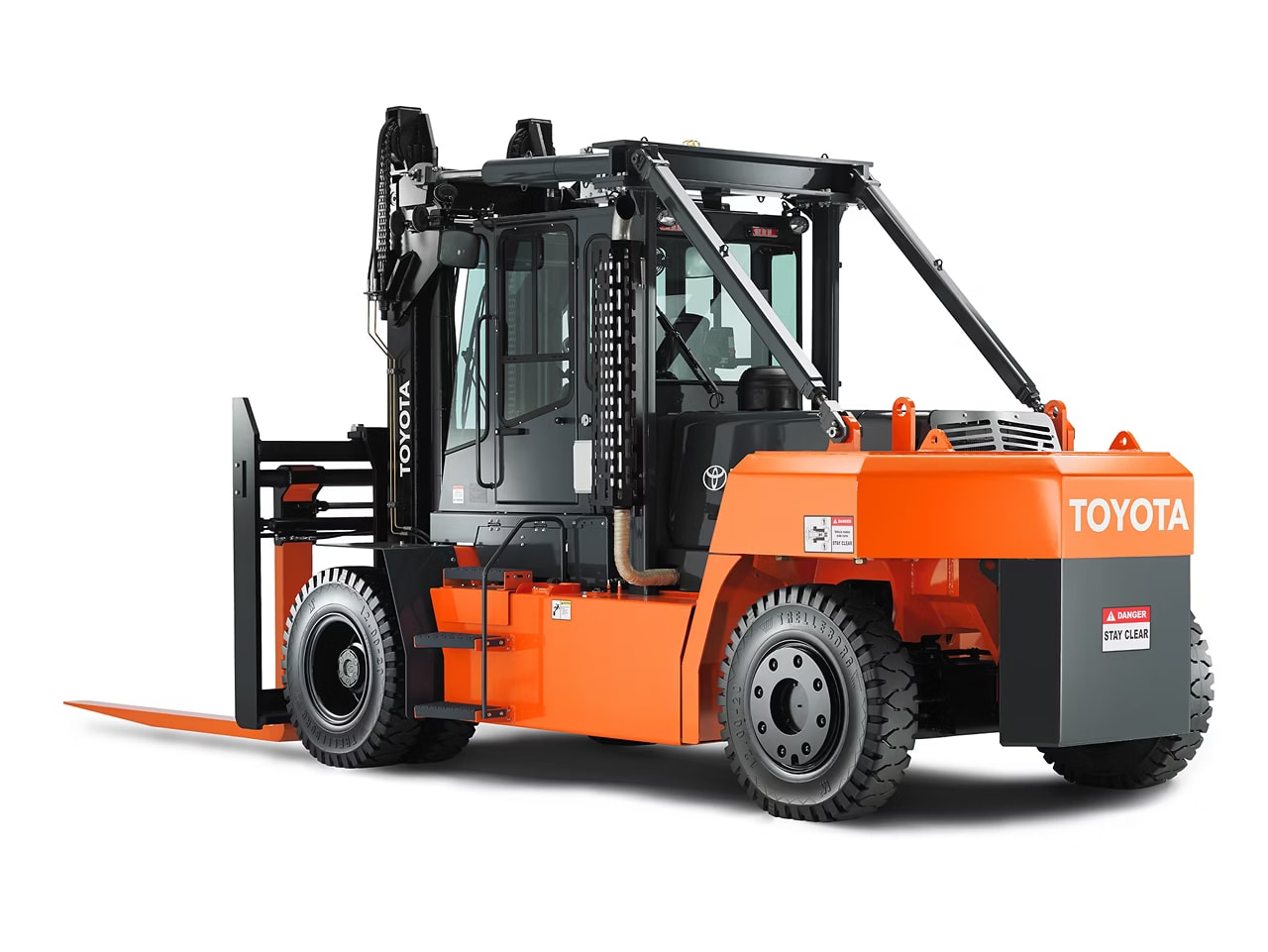
Its portfolio spans electric and internal-combustion forklifts, reach trucks, order pickers, pallet trucks, tow tractors, and other equipment used throughout manufacturing, distribution, retail, logistics, and industrial environments.
The larger opportunity is to help customers think about movement as a system.
Electrification Moves Into Manufacturing
In August 2026, Toyota Material Handling North America opened a new 295,000-square-foot manufacturing facility at its Columbus, Indiana campus dedicated to electric products for the Toyota and Raymond brands.
The new factory increased the Columbus footprint to approximately 1.9 million square feet and added 140 jobs to a campus employing more than 2,100 people.
That investment reflects how quickly the equipment mix is changing.
Electric material handling is not new, but the technology is becoming increasingly central as operators focus on energy efficiency, indoor air quality, maintenance, charging strategy, and sustainability.
Expanding production capacity allows Toyota Material Handling to respond to that transition through manufacturing rather than simply sourcing around it.
Automation That Works Alongside People
Warehouse automation is also entering a new phase.
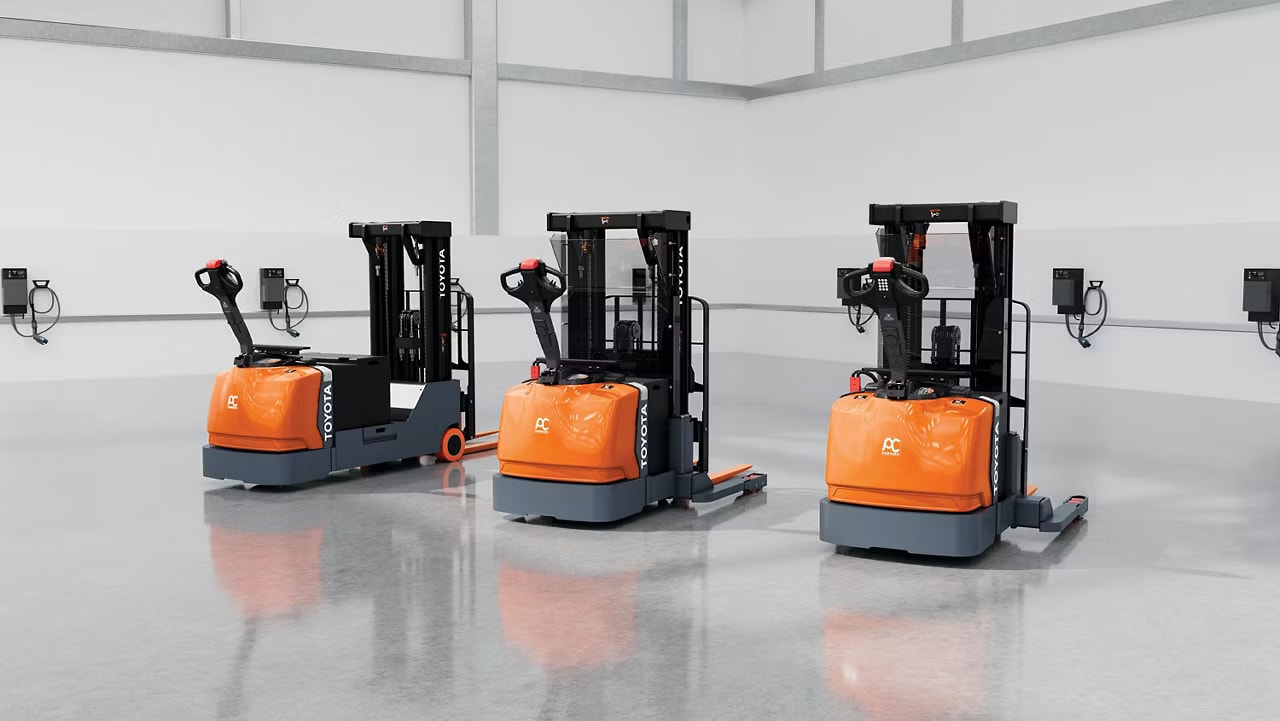
The industry is moving from highly fixed systems toward more flexible autonomous and semi-autonomous equipment capable of operating within existing facilities.
Through The Raymond Corporation, part of Toyota Material Handling North America, the organization has continued to expand automated intralogistics capabilities.
In 2026, Raymond showcased new automation solutions including the Raymond Courier Automated Tow Tractor and announced a technology collaboration with Third Wave Automation focused on bringing AI-enabled physical automation to select Raymond lift truck fleets.
The model is significant because it reflects shared autonomy rather than an all-or-nothing view of automation.
Facilities can adopt technology incrementally, automating specific workflows while maintaining human control and flexibility.
Manufacturing, Safety, and Reliability
Material handling equipment works in environments where reliability and safety are inseparable.
Forklifts operate around people, inventory, racks, loading docks, trailers, and other vehicles. A productivity gain that creates additional risk is not a meaningful gain.
Toyota’s broader manufacturing philosophy has long emphasized quality, process discipline, continuous improvement, and waste reduction.
In material handling, those principles show up in equipment design, operator-assistance technologies, maintenance systems, fleet management, and training.
As warehouses become more automated, safety becomes even more important because people and intelligent machines increasingly share the same operating space.
A Changing Supply Chain Requires a Broader Partner
The most successful material-handling companies are moving beyond equipment sales.
Customers need help deciding when to automate, how to electrify fleets, where to change facility layouts, how to manage charging and energy, and how to connect data across equipment.
That changes the relationship.
A forklift manufacturer becomes an intralogistics partner.
Toyota Material Handling USA is increasingly positioned around that broader role, combining a major equipment portfolio with manufacturing capacity, dealer support, automation, and operational expertise.
Why Toyota Material Handling USA is a 2026 Industry Icon
The 2026 Industry Icon designation recognizes organizations demonstrating meaningful innovation, leadership, momentum, industry impact, and the ability to influence what comes next within their respective fields.
Toyota Material Handling USA was selected for its leadership in industrial equipment and for the way it is investing simultaneously in manufacturing, electrification, automation, and the future of warehouse operations.
The opening of a major new electric-product factory in Indiana and continued expansion of AI-enabled automation demonstrate a company preparing for a material-handling market that is becoming cleaner, more connected, and more autonomous.
For its manufacturing scale, innovation in intralogistics, commitment to electric equipment, and continued influence on how goods move through modern supply chains, Toyota Material Handling USA has been selected as a 2026 Industry Icon in Manufacturing & Industrial Innovation.
Explore Toyota Material Handling USA
Explore all 100 Industry Icons
View All Honorees